





Africa’s Coffee Export Game: Why the World’s Obsession is Just Getting Started
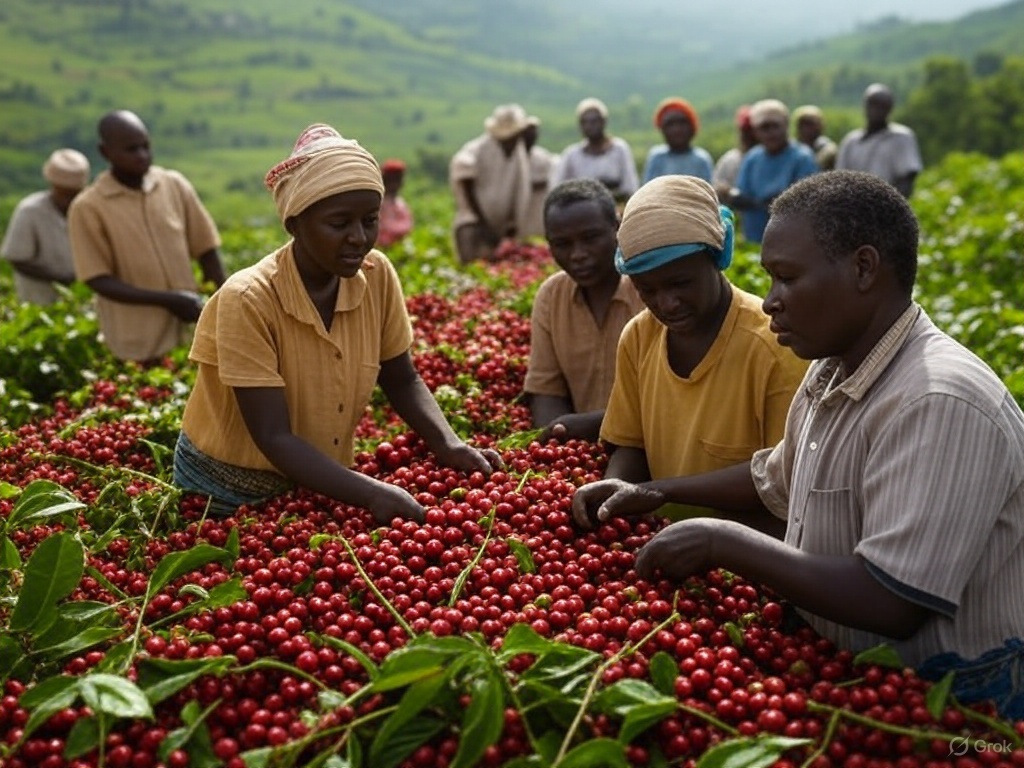
Let’s cut to the chase: if you’re reading this, you’ve probably sipped a life-changing cup of coffee recently. Maybe it was an Ethiopian Yirgacheffe with floral notes so bright they could replace your morning alarm. Or a Kenyan AA so bold it made your espresso machine blush. But here’s the kicker—Africa grows some of the world’s most incredible coffee beans, yet it’s still the underdog in the global wholesale export scene
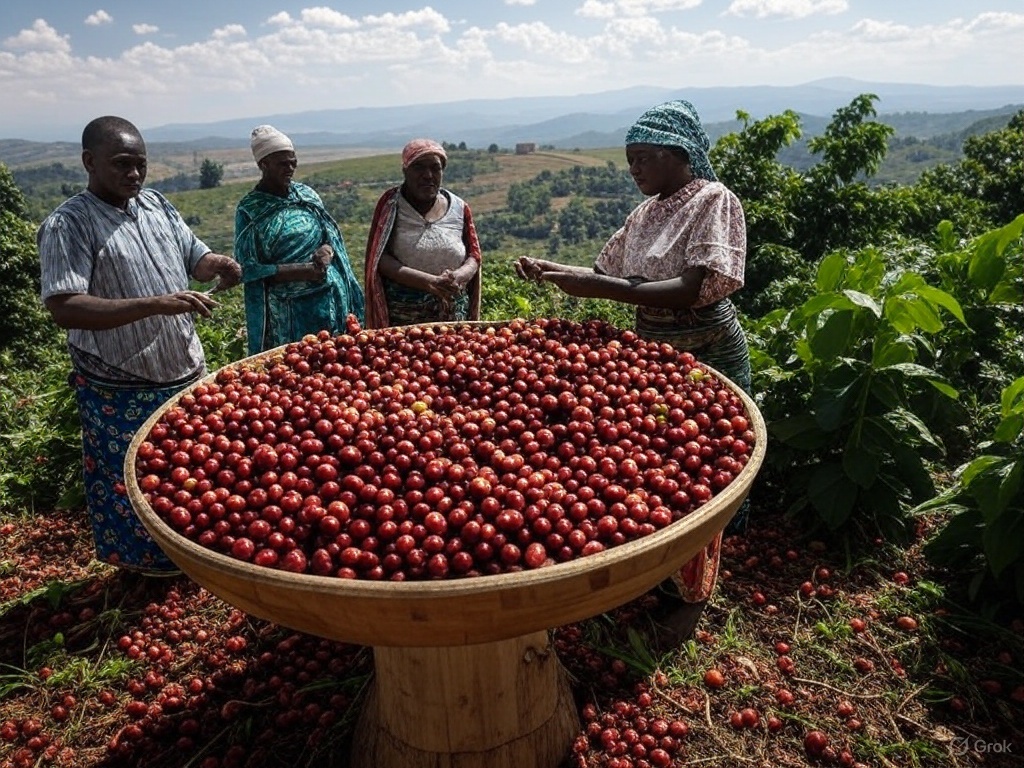
I’ll admit, I used to think “specialty coffee” was just a fancy term for overpriced lattes. Then I visited a Rwandan coffee cooperative and watched farmers hand-sort cherries under the midday sun. The care, the tradition, the passion—it hit me harder than my fourth espresso of the day. Africa isn’t just growing coffee; it’s crafting liquid art. So why isn’t everyone shouting about this from their Instagram rooftops yet? Let’s spill the beans.
Africa’s Coffee Heritage: More Than Just a Buzz
You know that friend who casually mentions they’ve been playing guitar since they were three? That’s Africa with coffee. Ethiopia literally invented coffee consumption (shoutout to Kaldi and his hyper goats), and the continent has been refining its craft for centuries. But here’s the plot twist: while Africa birthed coffee culture, it’s only recently started getting the global credit it deserves.
The Specialty Coffee Sweet Spot
African coffee isn’t just “good”—it’s stupidly unique. Think:
- Ethiopia’s heirloom varieties: Over 10,000 wild coffee types, each with flavors ranging from blueberry jam to bergamot.
- Kenya’s auction system: A competitive, transparent process that ensures quality (and makes your average eBay bid look like child’s play).
- Rwanda’s washing stations: Precision-focused processing that turns cherries into silky, citrusy perfection.
But here’s the catch: only 10% of Africa’s coffee is consumed locally. The rest? Shipped raw to be roasted, branded, and marked up 500% in Berlin or Brooklyn. IMO, that’s like selling a Picasso and letting someone else sign their name to it.
Why Africa’s Coffee Export Potential is Finally Heating Up
Okay, let’s ditch the romanticism for a sec. Coffee is a business, and Africa’s playing to win. Here’s why savvy wholesalers are eyeing the continent like it’s the last croissant at a brunch buffet:
1. Climate Change? More Like Climate Opportunity
While Brazil and Colombia sweat over rising temperatures, Africa’s high-altitude regions (looking at you, Ethiopian highlands and Mount Kenya) are sitting pretty. Cooler climates = slower bean maturation = richer, more complex flavors. Climate resilience isn’t just a buzzword here—it’s a competitive edge.
2. The “Third Wave” Coffee Craze is Africa’s Best Wingman
Millennials and Gen Z aren’t just buying coffee; they’re buying stories. And Africa’s got narratives for days:
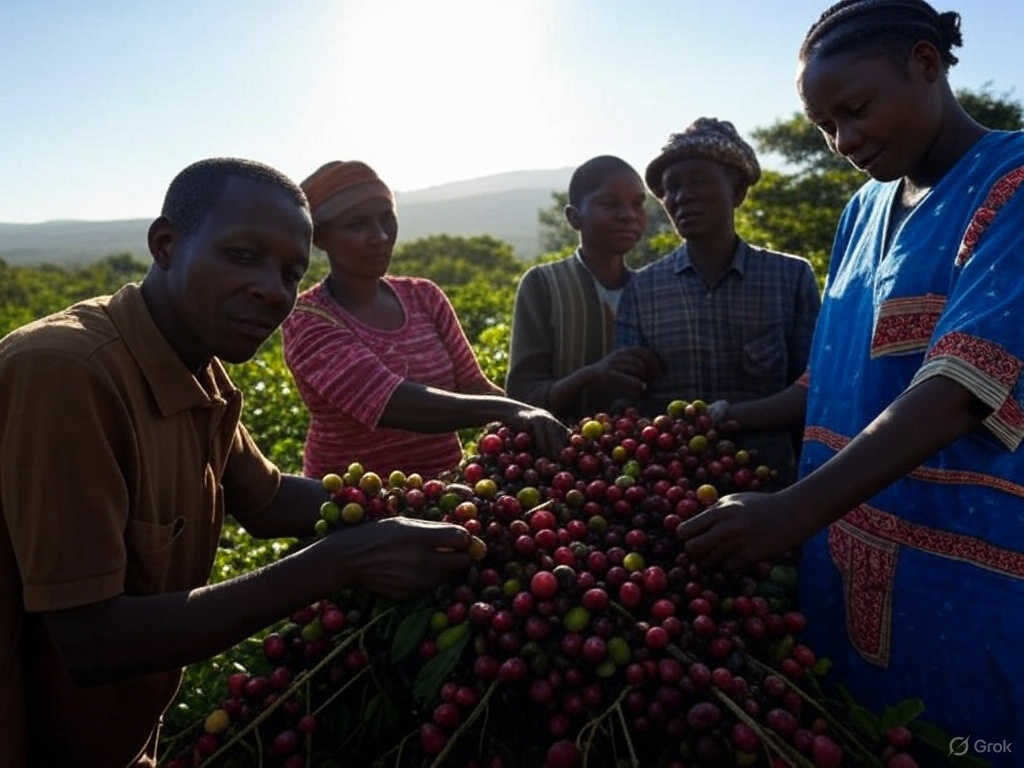
- Women-led cooperatives in Burundi empowering entire communities.
- Carbon-neutral farms in Uganda fighting deforestation.
- Direct trade partnerships that cut out middlemen (and their markup-happy hands).
3. Tech is Closing the Logistics Gap
Remember when shipping African coffee meant navigating a maze of brokers, exporters, and paperwork so thick it could double as a doorstop? Tech startups are flipping the script. Platforms like Sucafina and Twiga Foods are streamlining supply chains, so farmers get paid faster, and roasters get beans fresher. Win-win.
Detailed Analysis of African Coffee Wholesale Export Potential
Background and Historical Context
Current Production and Export Statistics
|
Country
|
Production (tonnes)
|
Export Value (2022, USD million, estimated)
|
|---|---|---|
|
Ethiopia
|
496,200
|
1,500
|
|
Uganda
|
393,900
|
813
|
|
Ivory Coast
|
70,000
|
Not specified, but significant
|
|
Tanzania
|
67,200
|
Not specified, but part of $3.6B total
|
|
Democratic Republic of Congo
|
58,837
|
Not specified
|
☕️ The Elephant in the Room: Challenges (and How to Brew Solutions)
Let’s keep it 100: Africa’s coffee industry isn’t all sunshine and latte art. There are hurdles, but guess what? They’re fixable.
Hurdle #1: Infrastructure? More Like In-fra-snore.
Ever tried driving a truck full of coffee through a mountain pass with more potholes than a Minecraft world? Yeah, it’s a vibe. Poor roads and limited processing facilities mean higher costs and slower exports. But with investments like the African Continental Free Trade Area, cross-border trade is getting smoother than a well-pulled shot.
Hurdle #2: The Price Rollercoaster
Global coffee prices swing more than your mood after three espressos. Farmers often bear the brunt, but direct trade models and futures contracts are stabilizing incomes. Plus, specialty coffee buyers pay premiums—up to 200% above commodity prices—for top-tier beans. Cha-ching.
Hurdle #3: “Wait, You Grow Coffee in Africa?”
Despite its rep for quality, African coffee still battles outdated stereotypes. Solution? Education and storytelling. When roasters learn that Tanzanian Peaberry is rarer than a polite Twitter debate, they’ll line up faster than hipsters at a pour-over bar.
How to Tap into Africa’s Coffee Goldmine (Without Being a Jerk)
Alright, let’s say you’re sold on African coffee. How do you jump in without becoming that exploitative wholesaler everyone side-eyes?
Step 1: Partner, Don’t Paternalize
- Work directly with cooperatives: Cut out middlemen and build relationships. Farmers aren’t charity cases—they’re experts.
- Invest in training: Teach sustainable practices, sure, but also learn from their generations-old wisdom.
Step 2: Market the Magic
- Highlight origin stories: A Congolese coffee isn’t just “bold”—it’s a post-conflict triumph.
- Certifications matter: Fair Trade, Organic, and Rainforest Alliance labels reassure buyers they’re not funding dystopian practices.
Step 3: Embrace Flexibility
African coffee is seasonal and regional. One year, you might hype up Zambian Terranova; the next, it’s all about Ethiopian Guji. Stay nimble, and your customers will stay hooked.
The Bottom Line: Africa’s Coffee Future is Bright (And Caffeinated)
Look, I’m not saying African coffee will solve world peace (though, have you seen anyone argue over a cup of Ugandan Bugisu?). But the potential here is real. With rising global demand, tech-driven logistics, and a generation of farmers doubling down on quality, Africa isn’t just the birthplace of coffee—it’s the future of it.
So next time you’re sipping a Kenyan pour-over, remember: you’re not just tasting notes of blackcurrant and honey. You’re tasting centuries of tradition, innovation, and hustle. And honestly? That’s way cooler than any Instagrammable latte.
Ready to roast the status quo? Let’s make African coffee the MVP of your wholesale lineup. ☕✨
Recent posts




Welcome Tray
© 2026 Kadoono Group.
