





Ethiopian Coffee Manufacturers: Your Guide to Africa's Liquid Gold

Ethiopian Coffee Manufacturers: Your Guide to Africa's Liquid Gold
Ever wondered why coffee snobs (you know who you are) go weak at the knees for Ethiopian beans? Well, grab your favorite mug and let's spill the beans - quite literally - on why Ethiopia isn't just another coffee origin, but the holy grail of coffee culture. I mean, these folks basically invented coffee - no pressure, right?
Why Ethiopian Coffee is Basically the Beyoncé of Beans
First things first - Ethiopia isn't just a coffee producer, it's the OG. Legend has it that a goat herder named Kaldi discovered coffee's magical powers back in the 9th century when his goats started dancing after munching on some mysterious red berries. Talk about an accidental energy drink discovery!
Fast forward to today, and Ethiopia is:
- Africa's largest coffee producer (accounting for about 30-35% of the country's total export earnings)
- Home to over 12 million people involved in coffee cultivation
- The source of some of the most unique flavor profiles you'll find anywhere on Earth
And here's a fun fact that might surprise you - Ethiopians consume about half of the coffee they produce. When even the locals can't get enough, you know it's good stuff.
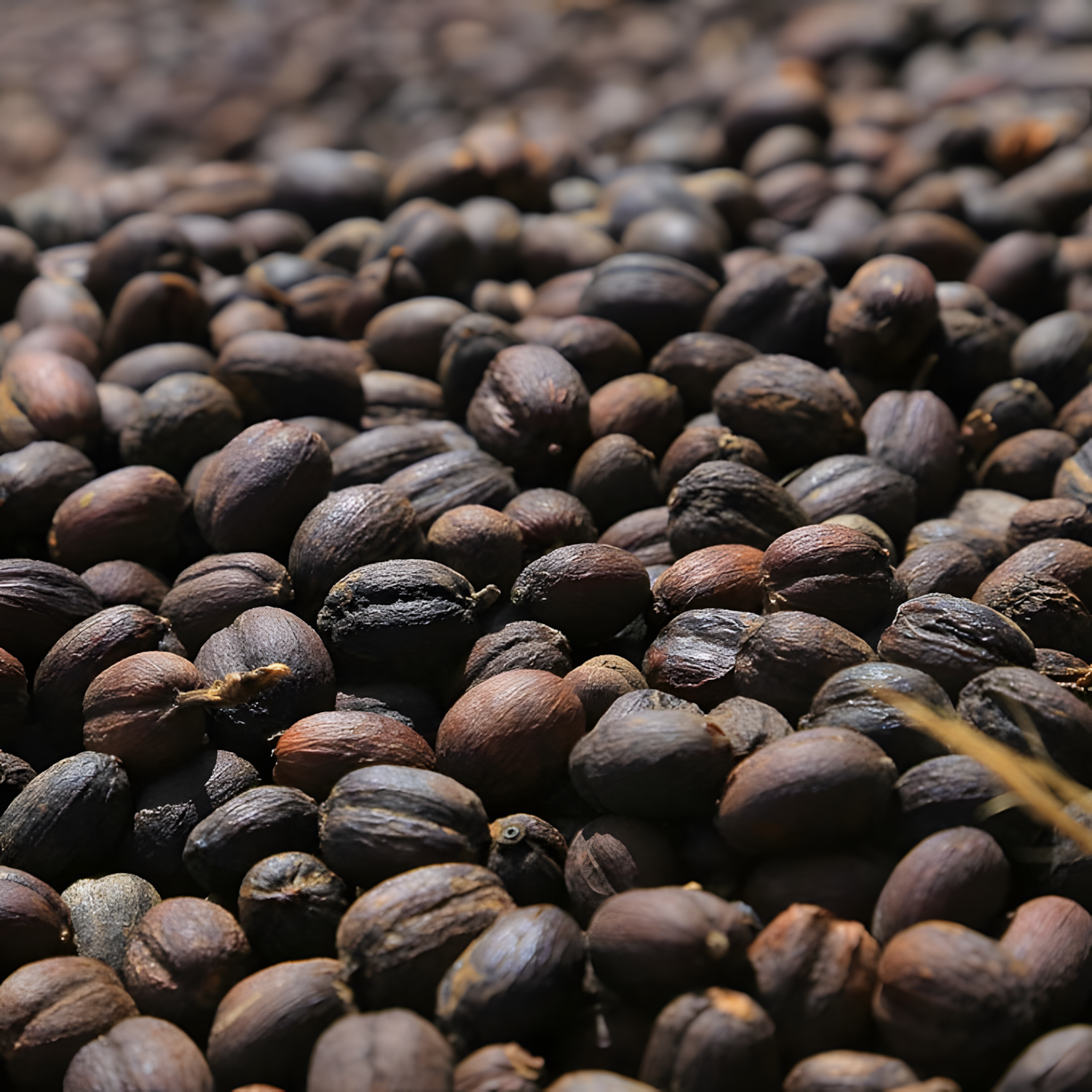
The Heavy Hitters: Ethiopia's Top Coffee Manufacturers
Now, let's talk about the rockstars behind Ethiopia's coffee scene. These manufacturers aren't just moving beans - they're preserving traditions, innovating processes, and basically making sure your morning cup is nothing short of magical.
The Big Players
According to Mordor Intelligence (yes, that's a real company name - no relation to Sauron), these are some of Ethiopia's coffee market leaders:
- Nestlé SA - The giant that needs no introduction, leveraging its massive distribution network
- Klatch Coffee - Specialty coffee wizards sourcing premium Ethiopian beans
- Hadero Coffee - Keeping it real with direct trade relationships with local farmers
- Wild Coffee Company - Sustainability champions working directly with farmers
The Homegrown Heroes
But let's not forget the Ethiopian-owned companies that are making waves:
- Tomoca Coffee - Operating since 1953 with cafes in Addis and Tokyo
- Kerchanshe Trading - One of Ethiopia's largest producers and exporters
- Lucy Ethiopian Coffee - A family business exporting worldwide while diversifying into hotels
- Shecha Coffee - A female-led operation in the legendary Kaffa region
What's amazing is how these companies balance global reach with local impact. Take Kerchanshe - they employ over 1,250 permanent staff (10,000 seasonally!) and invest 10% of profits back into local communities. Now that's what I call brewing positive change!
A Flavor Tour: Ethiopia's Coffee Regions and Their Star Beans
Alright, let's get to the good stuff - the beans themselves. Ethiopian coffee is like a box of chocolates (except way more caffeinated) - you never know what incredible flavor profile you're going to get. Here are some standout regional varieties:
Lekempti Coffee Beans: Earthy With a Citrus Kick
Grown in western Ethiopia at altitudes of 1,700-2,200 meters, Lekempti coffee is like that friend who's both down-to-earth and unexpectedly zany. You get:
- Earthy and nutty base notes
- A surprising citrus brightness that keeps things interesting
- Processing methods that include both washed and natural techniques
Perfect for when you want something comforting but with enough personality to keep your taste buds awake (unlike your coworker's boring small talk).
Limu Coffee: Floral Elegance Meets Winey Complexity
Now let's head southwest to the Limu region, where they produce beans that are basically the ballet dancers of coffee:
- Floral and citrus notes that'll make you feel fancy
- A winey complexity that develops as it cools
- Grown at 1,500-1,900 meters with round green beans
Lucy Ethiopian Coffee describes Limu as having "notes of spice and wine; soft berry undertones and rich floral overtones". I mean, that's basically a sommelier's tasting note right there!
Jimma Coffee: Chocolatey Comfort in a Cup
For those days when you want your coffee to hug you from the inside, Jimma beans are your best friend:
- Chocolate and nutty flavors that scream comfort
- Surprising floral bergamot notes (because why not?)
- Best when washed - natural processing can bring out medicinal flavors
Fun fact: The Jimma zone is a major producer of commercial-grade coffee. So when you're drinking Jimma, you're basically sipping on a piece of Ethiopian coffee history.
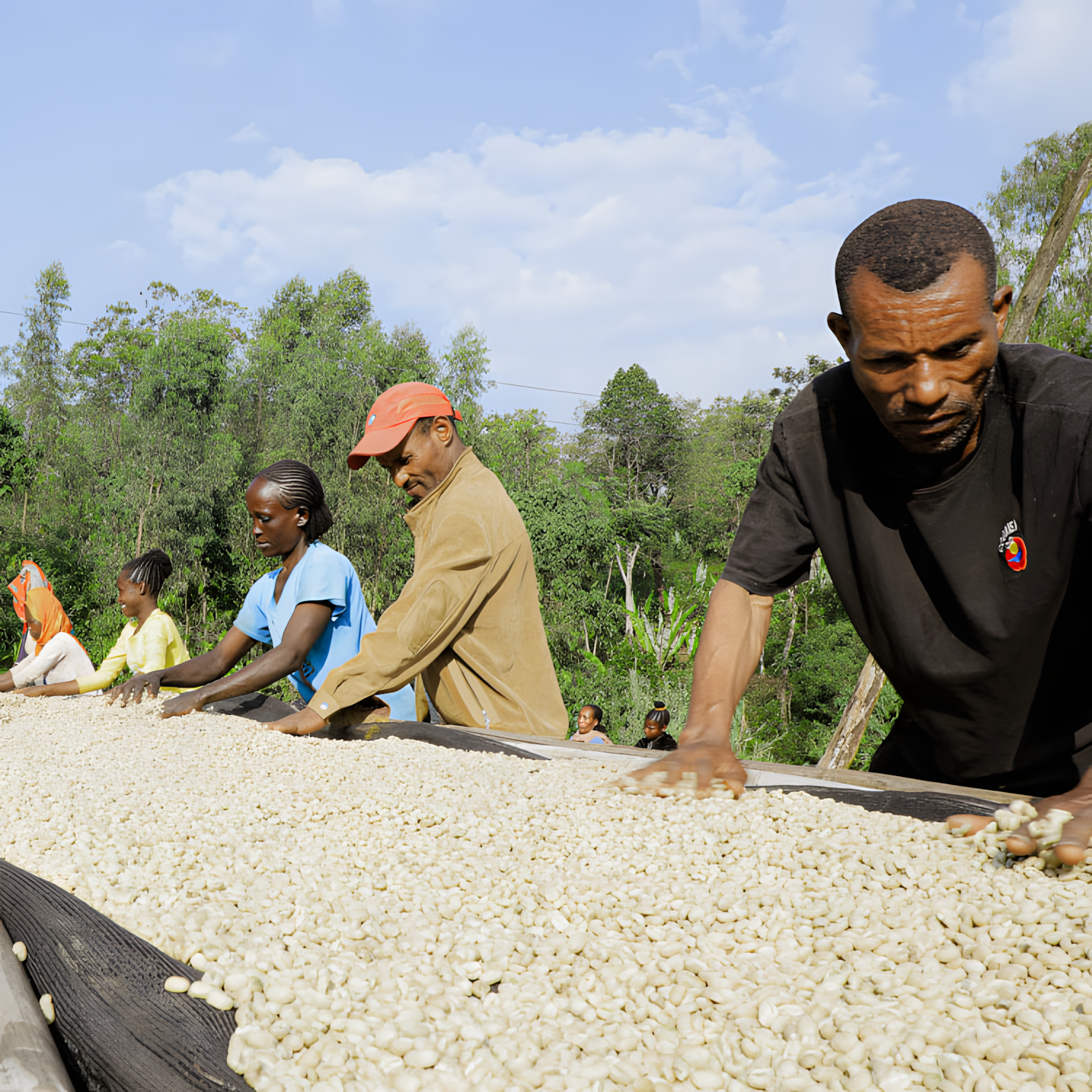
The Future of Ethiopian Coffee: Challenges and Innovations
Now, it's not all sunshine and perfect crema. Ethiopian coffee faces some real challenges:
- Climate change threatening growing conditions
- Logistical hurdles (recent Red Sea crisis caused months-long export delays)
- The need to increase value addition rather than just exporting raw beans
But here's the good news - Ethiopia has a bold plan to quadruple coffee revenue by 2033 through a comprehensive strategy focusing on research, processing, and marketing. That could mean growing exports from $780 million to potentially $4.6 billion! Talk about ambitious goals.
How Technology is Changing the Game
This is where platforms like Kadoono.com come in. Imagine a digital marketplace designed specifically to help African vendors (like our beloved coffee producers) connect with global buyers. No middlemen, no crazy markups - just direct access to international markets.
For coffee lovers, this means:
- Better prices for farmers → more sustainable production
- More traceability - know exactly where your beans come from
- Access to rare varieties that might not make it to traditional export channels
And for manufacturers? It's a game-changer in terms of reaching new customers without jumping through endless logistical hoops. IMO, this is exactly the kind of innovation that can help Ethiopian coffee reach its full potential on the global stage.
Brewing It All Together
So what's the takeaway from our caffeinated journey through Ethiopia's coffee landscape?
- Variety is king - From Lekempti's citrusy zing to Jimma's chocolatey comfort, there's an Ethiopian coffee for every palate
- Heritage matters - These manufacturers aren't just businesses; they're custodians of centuries-old traditions
- The future looks bright - With new strategies and platforms like Kadoono.com, Ethiopian coffee is poised for even greater global impact
Next time you sip that perfectly brewed cup of Ethiopian goodness, remember - you're not just drinking coffee. You're tasting history, culture, and the hard work of millions of people who make this liquid gold possible. Now if that's not worth savoring, I don't know what is.
Pro tip: Want to experience these flavors yourself? Check out those regional varieties we talked about on Kadoono.com - your taste buds will thank you! :)
Recent posts



Welcome Tray
© 2026 Kadoono Group.
