





From Merkato to Megabytes: Ethiopia’s Digital Trade Boom
Introduction to Ethiopia’s Wholesale Market Evolution
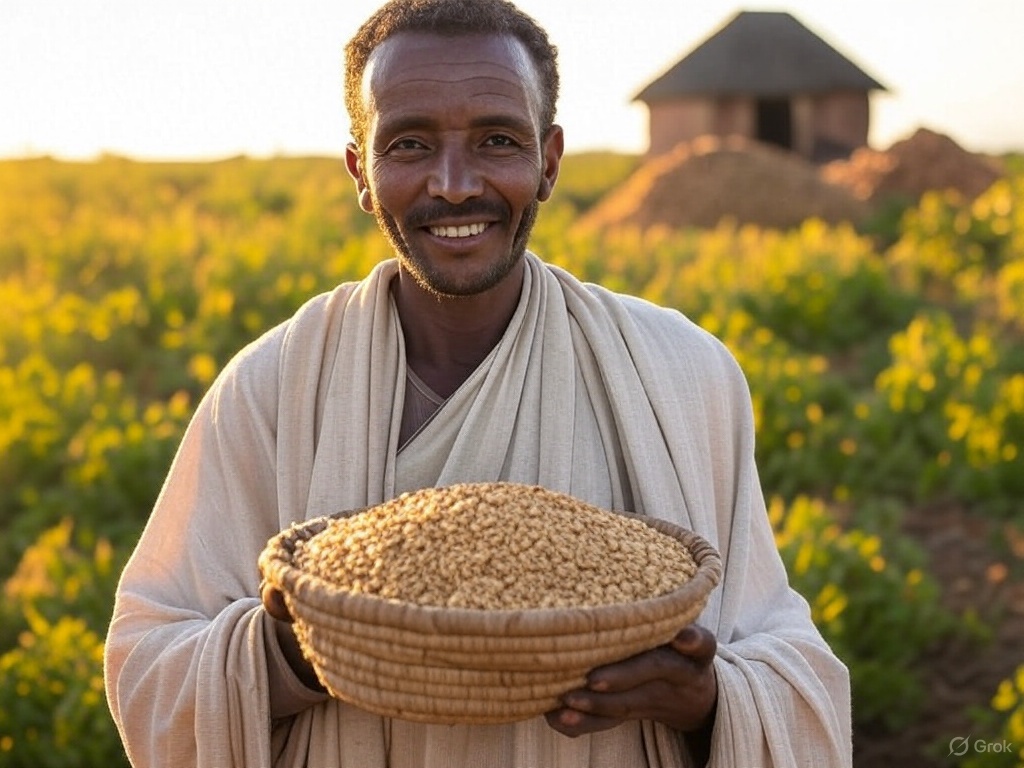
Hey there, fellow enthusiast! Let’s chat about something wild happening in Ethiopia’s wholesale market as of March 26, 2025. Remember Merkato, that chaotic, vibrant open-air market in Addis Ababa? It’s like the heartbeat of trade, but guess what? It’s not just about dusty stalls anymore. We’re talking a full-on digital trade boom, shifting from Merkato to megabytes. I’ve been following this, and it’s fascinating how policy changes and tech are shaking things up. Stick with me, and I’ll break it down in a way that’s easy to follow, with a sprinkle of humor and personal takes.
The Digital Shift: What’s Driving It?
First off, Ethiopia’s government made a big move back in March 2024 with Directive No. 1001/2024, opening wholesale to foreign investors. By October 2024, 20 global firms got licensed, pumping in over $2.5 billion, mostly for exports like coffee and sesame. It’s like they rolled out the red carpet for international players, but with a catch—they must build modern warehouses and logistics. This liberalization is part of the “Digital Ethiopia 2025” strategy, aiming to digitize the economy, and it’s showing results.
Tech’s playing a huge role too. Internet penetration jumped 65% by 2023, and digital payments like Telebirr now have 41 million users. It’s making online trade possible, even in rural areas. I mean, who’d have thought you could buy wholesale spices from your phone? But here we are, and it’s changing the game.

Key Platforms Leading the Charge
Now, let’s talk platforms. Local B2B heroes like Ashewa, Kamrach, and Shemach are making waves. Ashewa’s like Merkato in your pocket, offering everything from groceries to machinery. Kamrach focuses on niches like chemicals, and Shemach is all about processed foods. They’re connecting businesses online, cutting out the need for physical haggling.
Then there’s Kadoono.com, a platform I’m excited about. Launched recently, it’s specially made to help African vendors, including Ethiopians, reach global markets. It offers global exposure, logistics support, and payment solutions—perfect for a spice trader in Addis wanting to sell to New York. Ever thought about how a small vendor could go international? Kadoono.com’s making it happen.
Oh, and don’t sleep on AliExpress. They entered Ethiopia in August 2024, partnering with Ethiopian Airlines for logistics. By February 2025, they added local currency payments. It’s mostly B2C, but it’s shaking up wholesale logistics, which is an unexpected twist.
Impacts and Challenges
The impact? It’s mostly positive. Digital platforms boost efficiency, lower costs, and open wider markets. But it’s not all smooth. Competition from foreign firms is tough, and many traders lack digital skills. Internet connectivity’s still spotty in some areas, and logistics can be a headache.
Wrapping Up
So, Ethiopia’s wholesale market is on a digital journey, from Merkato’s chaos to online efficiency. Platforms like Kadoono.com are empowering vendors to think globally, and while challenges exist, the future looks bright. Whether you’re a trader or just curious, it’s a space to watch. Happy trading, and stay digital! :)
Detailed Analysis of Ethiopia’s Wholesale Market Trends in 2025
Ethiopia’s wholesale market, historically centered around traditional hubs like Merkato, is undergoing a profound transformation as of March 26, 2025, driven by policy liberalization, technological advancements, and the rise of digital platforms. This section provides a comprehensive overview, expanding on the key points and incorporating all relevant details, organized for clarity and depth.
Background and Traditional Context
Merkato, located in Addis Ababa, is the largest open-air market in Africa, spanning several square kilometers and serving as a central hub for wholesale trade. It features sections specializing in textiles, electronics, food items, and more, with wholesalers negotiating deals that supply smaller markets nationwide. However, its physical constraints—congestion, limited storage, and logistical challenges—have long hindered efficiency. The market’s vibrancy is undeniable, but its traditional model is increasingly supplemented by digital alternatives.
Policy Liberalization and Foreign Investment
The Ethiopian government’s liberalization efforts, initiated under the second Homegrown Economic Reform Agenda (HGER 2.0), mark a significant shift. In March 2024, Directive No. 1001/2024 was issued, opening export, import, wholesale, and retail trade to foreign investors, previously reserved for domestic players, with conditions like building modern marketing infrastructure. Fertilizer wholesale remains an exception, reserved for local investors. This directive, detailed in a report by EY Global, aims to enhance competition and address issues like product shortages and price hikes.
By October 2024, Addis Insight reported that 20 global firms were licensed in the retail and wholesale sectors, with investments exceeding $2.5 billion, focusing on exports like coffee and sesame. Many of these companies are from emerging markets, indicating a robust response to liberalization. This influx brings not only capital but also modern business practices and technologies, aligning with the government’s modernization goals.
Digital Transformation and B2B E-Commerce
Parallel to liberalization, Ethiopia’s wholesale market is undergoing digital transformation, driven by the “Digital Ethiopia 2025” strategy, launched in June 2020, aiming to digitize the economy by 2025. This initiative, as noted in trade.gov, focuses on integrating technology across sectors, including e-trade and e-procurement portals.
B2B e-commerce platforms are at the forefront. Research from Tracxn identifies 11 startups, including Ashewa, Kamrach, and Shemach, facilitating online wholesale trade. Ashewa operates as an online marketplace for businesses, offering products like groceries and electrical equipment, as seen on their website. Kamrach provides multi-category products, including chemicals and construction materials, while Shemach focuses on processed foods, indicating a diverse ecosystem supporting wholesale trade digitally.
Funding for these platforms, with $50K raised in 2022, suggests growth potential, though 2025 data shows continued expansion. Improved internet connectivity, with mobile internet connections growing by 65% by 2023, as per GSMA, and digital payment solutions like Telebirr, with 41 million subscribers, facilitate transactions.
Emergence of Kadoono.com and Global Market Access
A notable development is the rise of Kadoono.com, a platform specifically designed to help African vendors, including those from Ethiopia, reach global markets. Kadoono.com offers a range of features to support international trade:
- Global Exposure: Vendors can list their products for international buyers, expanding market reach.
- Logistics Support: Partnerships with shipping companies facilitate international deliveries, streamlining customs processes.
- Payment Processing: Facilitated payments to ensure a smooth transaction.
- Marketing Tools: Resources to promote products effectively, including multilingual support.
For Ethiopian wholesalers, Kadoono.com opens doors to markets in Europe, North America, and beyond, enabling small traders to compete globally. Case studies, such as a textile trader expanding to international markets, illustrate its impact, reducing barriers to entry for export-oriented businesses.
Global Players and Market Dynamics
An unexpected detail is the entry of AliExpress into Ethiopia, reported by Addis Insight and Trendtype. AliExpress, partnering with Ethiopian Airlines for logistics, began operations in August 2024, with local currency payment support rolled out by February 2025. While primarily B2C, its presence could influence wholesale through logistics improvements and potential B2B offerings, given its global model of connecting buyers with suppliers.
This entry coincides with over 80 e-commerce platforms in Ethiopia, as noted by Shega, suggesting a competitive landscape where local B2B platforms may collaborate or compete with global players. The Transform Africa Summit 2025, scheduled in Addis Ababa, is expected to highlight these trends, fostering discussions on digital infrastructure and e-commerce growth.
Economic and Social Implications
Economically, these changes align with Ethiopia’s goal to reach lower-middle-income status by 2025, with the wholesale market’s growth potentially contributing to GDP, especially through service sector expansion, as per trade.gov. Socially, increased competition could benefit consumers with better prices and choices, but protecting local traders requires careful policy implementation, as suggested by stakeholder deliberations in The Reporter Ethiopia.
Challenges and Opportunities
The liberalization and digitalization present both opportunities and challenges. Opportunities include enhanced efficiency, lower consumer prices, and access to global markets for local traders. For instance, foreign investment could bring modern marketing infrastructure, as mandated by Directive No. 1001/2024, potentially improving logistics, as seen with AliExpress’s partnership. B2B platforms like Ashewa and Kadoono.com enable small traders to reach broader markets, reducing reliance on physical markets like Merkato.
However, challenges include competition for SMEs, with The Reporter Ethiopia noting risks of market concentration and unemployment. Food security concerns arise, as foreign competition may lower prices for agricultural goods, affecting smallholder farmers’ incomes. Digital barriers, such as poor internet connectivity and lack of digital literacy, as mentioned in ScienceDirect, could hinder adoption, though initiatives like Digital Ethiopia 2025 aim to address these.
Future Outlook and Conclusion
In 2025, Ethiopia’s wholesale market is at a crossroads, with liberalization opening doors to foreign investment and digital platforms like Ashewa, Kamrach, and Kadoono.com driving online trade. The entry of AliExpress adds a global dimension, while events like the Transform Africa Summit 2025 will likely amplify these trends. This confluence of policy and technology offers a rich topic for exploration, capturing the market’s evolution and its implications for stakeholders.
Quick Reference Table
| Aspect | Details |
|---|---|
| Policy Change | Directive No. 1001/2024 opens wholesale to foreign investors, except fertilizers, with infrastructure conditions. |
| Foreign Investment | 20 firms licensed by October 2024, investments over $2.5 billion, focusing on exports like coffee. |
| B2B E-Commerce | Platforms like Ashewa, Kamrach, and Kadoono.com facilitate online wholesale, supported by Digital Ethiopia 2025. |
| Global Entry | AliExpress entered in 2024, partnering with Ethiopian Airlines, potentially impacting logistics. |
| Challenges | Competition for SMEs, food security risks, digital barriers like poor connectivity and literacy. |
| Opportunities | Enhanced efficiency, lower prices, global market access for local traders, modern infrastructure. |
Key Citations
- EY Global: Ethiopia issues Directive regulating foreign investors' participation in restricted export, import, wholesale and retail trade
- Addis Insight: Ethiopia Opens Doors: 20 Global Firms Licensed in Retail and Wholesale Sector
- Tracxn: Top 5 startups in B2B E-Commerce in Ethiopia
- Ashewa: Online Marketplace in Ethiopia
- Addis Insight: AliExpress to Expand Local Currency Payments in Ethiopia and Beyond
- Trendtype: Chinese eCommerce platform AliExpress enters Ethiopia
- trade.gov: Ethiopia Digital Economy
- GSMA: Ethiopia’s Digital Economy to Contribute ETB 1.3 trillion to GDP by 2028
- ScienceDirect: Feasibility assessment for E-commerce: A data collection from developing country (Ethiopia)
- trade.gov: Ethiopia Market Overview
- The Reporter Ethiopia: Authorities Move To End Protectionism Over Retail, Wholesale Businesses
- The Reporter Ethiopia: Striking Balance Between Liberalization, Protecting Domestic Investors
- Shega: E-commerce Platforms in Ethiopia
Recent posts




Welcome Tray
© 2026 Kadoono Group.
